


Life Extension Newsletter

Life Extension Newsletter
People who consume prebiotics, probiotics, yogurt have half the risk of colorectal cancer than nonconsumers
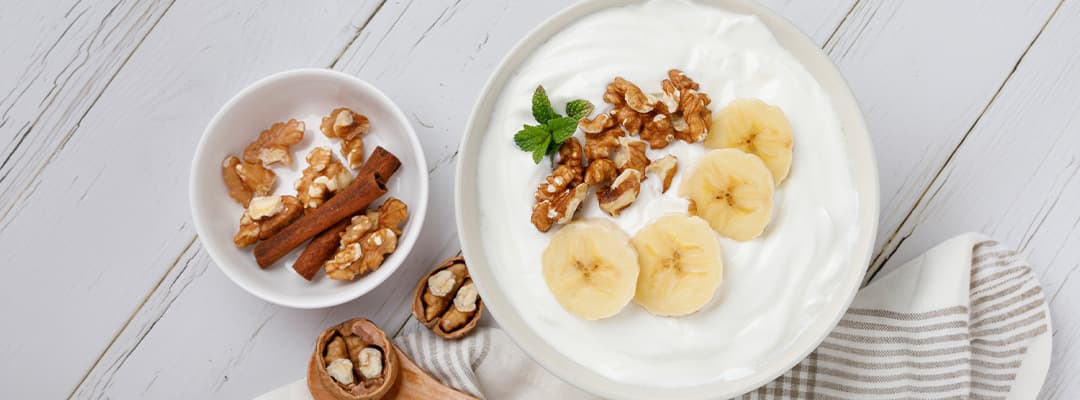
A study found a 50% lower likelihood of colorectal cancer among men and women who consumed prebiotics, probiotics or yogurt compared with individuals who did not consume them. Colorectal cancer is one of the leading causes of cancer-related illness and death worldwide.
"Our study examined the effects of probiotic consumption on colorectal cancer and adds to the current body of literature which suggests probiotics can reduce the risk of colorectal cancer as well as be used as a complementary treatment for colorectal cancer," the authors of the report, Ching-Wei Tu and Ho-Li Wang, wrote.
Probiotics are defined as live organisms which, when administered in adequate amounts, confer a health benefit on the host. Prebiotics consist of substances (often fibers) that nourish host micro-organisms, conferring a health benefit.
Tu and Wang remarked that their findings "suggest that intake of probiotics, prebiotics, or yogurt may be linked to a lower colorectal cancer prevalence, potentially through mechanisms related to gut microbiota composition and systemic metabolic health." They noted that colonization of the gut by microorganisms not normally found there (often referred to as dysbiosis) is associated with cardiovascular and autoimmune diseases as well as cancers.
The study included data from 9,405 participants aged 50 years and older in the National Health and Nutrition Examination Survey (NHANES), which collects information from children and adults residing in the U.S. Participant responses to questionnaires provided information concerning cancer history, diet, and added nutrients including prebiotics, such as inulin and FOS, and probiotics, such as lactobacilli and bifidobacteria. The findings were reported July 6, 2026, in the Nature journal Nutrition & Diabetes.1
Products
Apply What You’ve Learned: Colorectal cancer
- As of 2026, cancers of the colon and rectum are the second leading cause of cancer death in the United States. The disease accounts for 8% of new cancer cases.2
- According to the National Cancer Institute, factors with adequate evidence of increasing the risk of colorectal cancer include excessive alcohol use, cigarette smoking, obesity, age, and family or personal history of colorectal cancer and other hereditary conditions. Physical activity has adequate evidence of decreasing colorectal cancer risk.3
- Interventions that decrease the risk of colorectal cancer include aspirin, female hormone therapy (estrogen plus progestin) and polyp removal.4
- Something as simple as a daily multivitamin has been associated with a reduced risk of colon cancer.5 Research suggests that vitamin D, calcium, folate and other nutrients may also have a protective effect.5-7
References
- Tu CW, Wang HL. Association between probiotic, prebiotic, and yogurt consumption and colorectal cancer: real-world evidence from the US NHANES. Nutr Diabetes. 2026 Jul 6.
- Cancer Stat Facts: Common Cancer Sites. National Cancer Institute Surveillance, Epidemiology, and End Results Program. https://seer.cancer.gov/statfacts/html/common.html Accessed 2026 Jul 23.
- Colorectal cancer prevention (PDQ®) professional version. 2025 Apr 11. https://www.cancer.gov/types/colorectal/patient/colorectal-prevention-pdq Accessed 2026 Jul 23.
- Lim JE, Weinstein SJ, Liao LM et al. Multivitamin use and overall and site-specific cancer risks in the National Institutes of Health-AARP Diet and Health Study. J Nutr. 2022 Jan 11;152(1):211-216.5.
- Thet D, Areepium N, Rungruang CR, et al. Circulating vitamin D status and prognosis in colorectal cancer: a systematic review and meta-analysis with exploratory evidence on vitamin D receptor polymorphisms. BMC Cancer. 2026 Apr 16;26(1):687.
- Zouiouich S, Wahl D, Liao LM, et al. Calcium intake and risk of colorectal cancer in the NIH-AARP Diet and Health Study. JAMA Netw Open. 2025 Feb 3;8(2):e2460283.
- Bouras E, Kim AE, Lin Y. Genome-wide interaction analysis of folate for colorectal cancer risk. Am J Clin Nutr. 2023 Nov;118(5):881-891.
Health Quiz
Answer a few questions about your diet, daily routine and health goals, and we'll recommend your perfect supplement stack.
Learn MoreRelated Life Extension Magazine® Articles

Colorectal Cancer: A Growing Threat to Younger Adults
Life Extension® has historically advocated for earlier colorectal cancer screening. Now, younger adults are increasingly diagnosed with colorectal cancer. Specific nutrients, dietary patterns and screening can protect against this growing risk.

Lithium's Link to Reduced Cancer Risk
People with the highest exposure to lithium in their drinking water had a lower risk of every type of cancer studied, according to a Journal of the American Medical Association publication.
Life Extension Magazine® Issue Now Online

Neck pain is often caused by a variety of correctable lifestyle factors. A new clinical study showed that two plant compounds reduced neck pain and stiffness by targeting underlying inflammatory mechanisms.


