


What's hot

What's hot
News flashes are posted here frequently to keep you up-to-date with the latest advances in health and longevity. We have an unparalleled track record of breaking stories about life extension advances.
- New England Journal of Medicine study affirms that PSA testing saves lives
- Flavanols protect blood vessels during periods of sitting
- Study finds saffron extract improves sleep
- CT scans before pregnancy associated with greater risk of abnormalities, loss
- Vitamin D helps prevent Afib in heart bypass patients
- Omega-3 fatty acid’s effect varies between individuals
- Meta-analysis adds evidence to benefit of magnesium in people with high blood pressure
- Vitamin B12 deficiency linked with wasting of brain area involved in memory
- Antioxidant rescues T cell function to boost anticancer effects
- Study finds adding calcium to diet does not increase dementia risk
- Programmed aging questioned
- Addition of omega-3 to diet strongest predictor of blood levels
- Cysteine could help rejuvenate intestine damaged by cancer therapies
- American College of Cardiology Scientific Statement affirms role of inflammation in heart disease
New England Journal of Medicine study affirms that PSA testing saves lives
October 31 2025. A study reported in the October 30, 2025, issue of the New England Journal of Medicine found a lower risk of dying from prostate cancer among men who were screened with the prostate-specific antigen (PSA) test compared with men who did not undergo screening.
 October 31 2025. A study reported in the October 30, 2025, issue of the
 The investigation updated findings from the European Randomized Study of Screening for Prostate Cancer (ERSPC) by evaluating the long-term effect of screening with PSA, with a focus on prostate cancer mortality after the end of the screening period. "Previous findings showed a significant relative reduction of 20% in prostate cancer mortality in favor of screening after a median follow-up of 16 years," Monique J. Roobol, PhD, and colleagues explained. "However, this benefit was counterbalanced by overdiagnosis and overtreatment of screening-detected tumors that were unlikely to have caused symptoms or death, thereby reducing the overall ratio of benefit to harm."
The current study evaluated data from participants who were 55–69 years old at the time of randomization, including 72,888 men who were offered repeated PSA testing and 89,348 men who were assigned to a control group that was not invited for screening. After a median 23-year follow-up period, 14% of the men who were screened with PSA were diagnosed with prostate cancer compared with 12% of the control group. In comparison with men who were not invited for screening, those who were screened had a greater chance of having low-risk cancers diagnosed and a 34% lower risk of advanced prostate cancer. When mortality from prostate cancer during follow-up was examined, members of the screening group had a 13% lower risk compared with men who did not participate in screening.
"Long-term follow-up confirms a sustained reduction in deaths from prostate cancer with PSA testing, alongside an improved harm–benefit ratio," the authors concluded.
—D Dye
Flavanols protect blood vessels during periods of sitting
October 29 2025. We've heard that "sitting is the new smoking;" however, findings from a study reported October 29, 2025, in The Journal of Physiology suggest that there may be something we can do about sitting's detrimental effects.
 October 29 2025. We've heard that "sitting is the new smoking;" however, findings from a study reported October 29, 2025, in
 "Whether we are sitting at desks, behind the wheel of a car, on a train, or on the sofa reading a book or watching TV, we all spend a lot of time seated," lead author Catarina Rendeiro observed. "Even though we are not moving our bodies, we are still putting them under stress. Finding ways to mitigate the impact that sitting for uninterrupted periods has on our vascular system could help us cut the risk of developing cardiovascular diseases."
Dr Rendeiro and colleagues evaluated the effect of consuming cocoa flavanols on the blood vessel function of 40 men, half of whom had high fitness levels. Twenty participants were given a high-flavanol cocoa beverage that had 695 mg flavanols and 20 men received a cocoa beverage containing 5.6 mg flavanols prior to a two-hour period of sitting. Flow mediated dilatation (a measure of blood vessel health) of arm and leg arteries, arterial resting shear rate and blood flow, blood pressure and leg muscle oxygenation were evaluated before and after the two-hour period.
Participants with both higher and lower fitness levels who consumed the low-flavanoid beverage experienced a decline in flow-mediated dilatation of the arms and legs that did not occur in men who consumed the high-flavanol beverage. Men who received the low-flavanol beverage also showed decreases in shear rate and blood flow in both arteries, while diastolic blood pressure increased, leading to reduced muscle oxygenation. "Our experiment indicates that higher fitness levels do not prevent the temporary impairment of vascular function induced by sitting when only drinking low-flavanol cocoa," coauthor Sam Lucas concluded.
"It is actually quite easy to add high flavanol foods to your diet," coauthor Alessio Daniele remarked. "If cocoa isn't your thing, fruits like apples, plums and berries, nuts, and black and green tea are all common kitchen staples and are readily available."
—D Dye
Study finds saffron extract improves sleep
October 27 2025. A randomized, double-blind, placebo-controlled pilot study found that four weeks of an orally-administered extract of saffron improved sleep quality and modified the gut microbiome composition of older individuals with sleep complaints. The findings were published in the September 7, 2025, issue of Food & Function.
 October 27 2025. A randomized, double-blind, placebo-controlled pilot study found that four weeks of an orally-administered extract of saffron improved sleep quality and modified the gut microbiome composition of older individuals with
 The study included 52 men and women with insomnia who were between 55 and 85 years of age. Twenty-six participants were given 30 mg of a standardized saffron extract, and 26 participants received a placebo to be consumed 30 minutes before bedtime for four weeks. Pittsburgh Sleep Quality Index questionnaires completed before and after the treatment period reported subjective sleep information. Objective sleep measurements were recorded by an electroencephalography (EEG) sleep tracker worn during seven nights at both the beginning and end of the treatment period, and sleep diary entries contributed complementary information. Fecal samples collected from 26 individuals 48 hours before the treatment period and 48 hours before their follow-up visits were analyzed for microbiome composition.
Subjective sleep quality and sleep efficiency (percentage of time spent asleep while in bed) significantly improved among participants who received saffron compared with the placebo. Objective outcomes, including latency to sleep onset and persistent sleep, also improved. Microbiome analysis showed an increase in seven bacterial genera and a decrease in two genera among participants given saffron compared with the placebo. Alterations in specific genera were associated with several subjective and objective sleep parameters.
"Our results indicate that short-term daily dietary intervention (4 weeks) using a standardised saffron extract (30 mg day) can have positive impacts on both subjective and objective sleep quality in older adults with sleep complaints," authors Leonie Lang of the University of East Anglia and colleagues concluded. "This effect may be partly associated with changes in gut microbiota, highlighting the potential of saffron in alleviating sleep disturbances in older adults by targeting the gut microbiome."
—D Dye
CT scans before pregnancy associated with greater risk of abnormalities, loss
October 24 2025. A study reported September 9, 2025, in the Annals of Internal Medicine found a significantly greater risk of spontaneous pregnancy loss and anomalies present at the birth of children born to women who had received computed tomography (CT) scans prior to their pregnancies compared with those who had not.
 October 24 2025. A study reported September 9, 2025, in the
 Authors Camille Simard, MD, and colleagues explained that ionizing radiation exposure delivered by CT may cause DNA damage to ovarian follicles, resulting in genetic mutations in unfertilized eggs.
Researchers evaluated data from 5,142,339 women who had a history of pregnancies, among whom 687,692 had received a CT scan prior to conception. Spontaneous pregnancy losses included 468,092 miscarriages, 47,228 ectopic (tubal) pregnancies and 19,845 stillbirths at 20 or more weeks of gestation. Compared with women with no prior CT scans, who had 101 spontaneous pregnancy losses per 1,000 pregnancies, spontaneous pregnancy loss occurred among 117 per 1,000 pregnancies in women with one scan, 130 per 1,000 pregnancies among women with two scans and 142 per 1,000 pregnancies in women with three or more scans, corresponding to risk increases of 8%, 14% and 19%. The risk of spontaneous pregnancy loss was highest when the most recent scan was closest to the date of conception.
While infants born to women without a prior CT scan had a rate of congenital anomalies of 62 per 1,000 live births, these rates increased to 84 per 1,000 among women with one scan, 96 per 1,000 among those with two scans and 105 per 1,000 among women who had received three or more scans, resulting in respective risk increases of 36%, 55% and 69%.
"Exposure to preconception CT imaging may be associated with higher risks for spontaneous pregnancy loss and congenital anomalies, but causal mechanisms remain to be elucidated," Dr Simard and her coauthors concluded. "Alternative imaging methods should be considered when appropriate."
—D Dye
Vitamin D helps prevent Afib in heart bypass patients
October 22 2025. A systematic review and meta-analysis published October 17, 2025 in BMC Cardiovascular Disorders found a protective effect for vitamin D against postoperative atrial fibrillation following coronary artery bypass grafting (CABG, in which diseased portions of arteries that supply blood to the heart are surgically replaced).
 October 22 2025. A systematic review and meta-analysis published October 17, 2025 in
 Atrial fibrillation is a type of abnormal heart rhythm (arrhythmia) characterized by an irregular quivering of the heart's upper chambers which are known as atria. It results in pooling of blood in the atria, which increases the risk of clots. Atrial fibrillation is a common complication following CABG that affects 20% to 40% of patients.
The meta-analysis included four randomized, controlled trials that evaluated the effects of vitamin D among a total of 694 men and women who underwent pump CABG. Three hundred forty-two participants received standard care plus orally administered vitamin D for two to five days preceding the surgery and 352 control group participants received standard care alone.
Among participants with deficient vitamin D levels that averaged 12.11 nanograms per milliliter, there was a 45% lower risk of postoperative atrial fibrillation in vitamin D-treated individuals compared with the control group. No significant effect for adding vitamin D was observed among participants with insufficiency, categorized as an average of 25.54 ng/mL.
Authors Nidhi Lanka and colleagues remarked that the meta-analysis is, to the best of their knowledge, the most extensive study to date concerning the relationship between the addition of vitamin D to the diet and the incidence of postoperative atrial fibrillation. They noted that the condition is mainly driven by inflammation and that prevention of postoperative atrial fibrillation by vitamin D is mostly attributed to its support of a healthy inflammatory response.
"Preoperative vitamin D supplementation appears beneficial in reducing postoperative atrial fibrillation risk in deficient CABG patients, but not in insufficient populations," Lanka and colleagues concluded.
—D Dye
Omega-3 fatty acid’s effect varies between individuals
October 20 2025. Findings from a study reported October 8, 2025, in JCI Insight revealed individual variation in the benefits associated with the intake of a high dose of omega-3 fatty acid eicosapentaenoic acid (EPA), commonly obtained from fish oil.
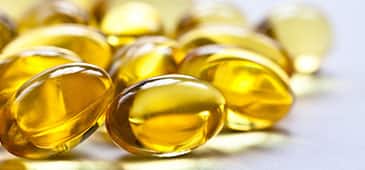 October 20 2025. Findings from a study reported October 8, 2025, in
 The study included 38 men and women with normal lipid levels. Participants received 3.9 grams per day of a prescription form of EPA with 75 micrograms vitamin D3 for 28 days, followed by a seven-day "wash-out" period during which the participants received no additional nutrients. Blood lipid levels were measured at the beginning of the study, after one and four weeks of consuming EPA, and at the end of the wash-out period.
Lipoprotein EPA levels increased after one week, while omega-6, saturated and monounsaturated fatty acid levels declined. Plasma triglycerides, apolipoprotein B (apoB) and remnant cholesterol (composed mainly of very low-density lipoprotein and intermediate-density lipoprotein cholesterol) were reduced. Following the seven-day wash-out period, most improvements partially returned toward values measured at the beginning of the study.
"Lipoproteins up to 70 nm in diameter can penetrate the arterial intima, where a subset becomes retained by binding to arterial proteoglycans — a key initiating event in atherogenesis," Katariina Öörni of the University of Helsinki and colleagues explained. "[EPA] appears to reduce this atherogenic potential through multiple mechanisms: by lowering the number of circulating apoB-containing lipoprotein particles, decreasing their cholesterol content, and reducing their affinity for vascular proteoglycans. As a result, less lipid is likely to accumulate and be retained within the arterial wall."
"The samples taken . . . clearly show the effect of EPA on all participants," Dr Öörni affirmed. "Having said that, all samples were different among the group. In other words, each individual has a unique lipoprotein lipidome in their circulation, a 'lipid fingerprint,' if you will, that persisted despite EPA."
The authors concluded that the variation in persistent lipid signatures between individuals emphasizes a potential for personalized approaches in the treatment of atherosclerotic cardiovascular disease.
—D Dye
Meta-analysis adds evidence to benefit of magnesium in people with high blood pressure
October 17 2025. Findings from a systematic review and meta-analysis published in the November 2025 issue of the American Heart Association journal Hypertension affirmed a reduction in blood pressure in association with the addition of magnesium to the diet.
 October 17 2025. Findings from a systematic review and meta-analysis published in the November 2025 issue of the American Heart Association journal
 Researchers analyzed 38 randomized, controlled trials that compared the blood pressure benefit of additional magnesium with a placebo among a total of 2,709 participants with and without hyypertension. Magnesium doses evaluated in the trials ranged from 82.3 milligrams (mg) to 637 mg administered for a median period of 12 weeks. Forms of the mineral used in the trials included magnesium citrate, magnesium oxide, magnesium aspartate hydrochloride, magnesium pidolate, magnesium chelate, magnesium L-lactate, magnesium hydroxide, magnesium sulfate and magnesium diglycine.
Men and women who received magnesium had respective average reductions of 2.81 mmHg systolic and 2.05 mmHg diastolic blood pressure in comparison with individuals in the placebo groups. Participants who were using medications to treat hypertension experienced significant systolic and diastolic blood pressure reductions that averaged 7.68 mmHg and 2.96 mmHg, respectively, and those who had low magnesium levels had respective systolic and diastolic decreases of 5.97 mmHg and 4.75 mmHg compared with the placebo.
"This meta-analysis strengthens the evidence to support the benefits of oral magnesium intake for the reduction in systolic blood pressure and diastolic blood pressure, with potentially greater benefit for patients with hypertension using blood pressure-lowering medication, and for patients with hypomagnesemia," Zoe Argeros of the University of New South Wales and colleagues concluded. "These findings contribute to the growing body of evidence supporting personalized nutritional approaches in hypertension management and call for integration of micronutrient assessment in clinical practice, particularly where the hypertension burden is high."
—D Dye
Vitamin B12 deficiency linked with wasting of brain area involved in memory
October 15 2025. The September 2025 issue of the Journal of Prevention of Alzheimer's Disease reported the finding of researchers in Japan of atrophy (wasting) of the hippocampus, an area of the brain involved in memory and learning, among people who had deficient levels of vitamin B12.
 October 15 2025. The September 2025 issue of the
 The study included 567 men and women who received magnetic resonance imaging (MRI) of the brain as the result of a visit to a dementia clinic. Blood samples were analyzed for vitamins B1 and B12, folate, homocysteine (an amino acid associated with increased cardiovascular disease risk when elevated), creatinine (a marker of kidney function) and hemoglobin A1c (a marker of long-term blood glucose control). Mini Mental State Examinations were used to assess cognitive function.
Magnetic resonance imaging of the brain's hippocampus revealed atrophy among 43% of the group. Individuals with hippocampal atrophy were significantly older than those whose hippocampus was normal.
Vitamin B12 deficiency was detected in 4.6 % of the participants with normal hippocampi compared with 12.2% of those who had hippocampal atrophy. Those with vitamin B12 deficiency had a greater risk of having high levels of homocysteine. Among the 244 participants with hippocampal atrophy, a greater incidence of vitamin B12 deficiency and low Mini Mental State Examination scores was observed.
"Vitamin B12 deficiency causes treatable dementia and vitamin B12 . . . has been reported to improve cognitive function," Asako Ueno of the University of Fukui and colleagues observed. "Vitamin B12 deficiency is significantly associated with hippocampal atrophy."
They added that, as previous studies have shown, cognitive decline and brain atrophy may be slowed by adding vitamin B12 to the diet, leading to the need for earlier therapeutic interventions.
—D Dye
Antioxidant rescues T cell function to boost anticancer effects
October 13 2025. Research reported September 9, 2025, in the Cell Press journal Immunity identified telomere damage caused by oxidative stress in immune cells as a factor in cancer. "The really exciting part about this research is that by preventing damage to telomeres via a targeted antioxidant, we can rescue T cell function," first author Dayana B. Rivadeneira, PhD, enthused. "This opens the door to novel therapies to improve the effectiveness of cancer immunotherapies."
 October 13 2025. Research reported September 9, 2025, in the Cell Press journal
 Dr Rivadeneira and colleagues at the University of Pittsburgh explained how the functional state of tumor-infiltrating lymphocytes (a type of white blood cell that includes T cells) is a determinant of the body's immune response against tumors and the response to immunotherapy when administered to treat cancer. Oxidative stress, caused by an imbalance between antioxidants and free radicals (potentially damaging molecules, atoms or ions in our bodies) can cause genetic damage to telomeres, which are the protective bits of DNA at the ends of our chromosomes that shorten during aging of the cell.
The researchers determined that oxidative stress originating in T cells' power plants that are known as mitochondria damaged the T cells' telomeres, which caused the cells to become dysfunctional, thereby reducing their ability to combat tumors. Administering the antioxidant enzyme glutathione peroxidase when linked with a protein that binds to telomeres alleviated oxidative stress in the telomeres and improved therapeutic T cell function in tumors. When these T cells were infused into mice that had cancer, the animals had smaller tumors and better survival than mice that did not receive them.
"We hypothesize that these observations can have broader implications in other diseases where T cells experience chronic exposure to oxidative stress and consequently mitochondria and telomere damage such as chronic viral infection and chronic inflammation," Dr Rivadeneira and colleagues concluded.
—D Dye
Study finds adding calcium to diet does not increase dementia risk
October 10 2025. Findings from a trial reported October 6, 2025, in The Lancet Regional Health-Western Pacific offer assurance to women who regularly consume calcium tablets or capsules. Contrary to concerns suggested by some meta-analyses, adding calcium to the diet did not increase the risk of developing mild cognitive impairment or dementia in a large randomized, placebo-controlled trial.
 October 10 2025. Findings from a trial reported October 6, 2025, in
 The current investigation included women aged 70 years and older who participated in the Calcium Intake Fracture Outcome Study which evaluated the effect of daily calcium in fracture prevention. Participants were not using calcium at the beginning of the study. Seven hundred-thirty women received 600 milligrams calcium from calcium carbonate twice per day and an equal number were assigned to a matching placebo for five years beginning in 1998.
During the 14.5-year follow-up from 1998–2013, 18.4% of the participants experienced a dementia event, 16.6% were hospitalized for dementia and dementia-associated deaths occurred among 7.8%. The researchers found no significant differences in any dementia outcome risks between women who received a placebo and the group who received calcium. Adjustment for calcium intake from food and other factors did not affect the result.
In their discussion of the findings, authors Negar Ghasemifard and colleagues remarked that calcium has been suggested to elevate dementia risk by increasing vascular calcification; however, the present study found no association between using calcium for five years and dementia events in women with atherosclerotic vascular disease.
"This study provides evidence that five years of calcium carbonate supplementation (1200 mg per day) does not increase the long-term risk of developing dementia in community-dwelling older women," they concluded. "This finding is particularly important given the concerns raised in observational studies where the safety of calcium supplements has been highlighted when considering cognitive health."
—D Dye
Programmed aging questioned
October 08 2025. An article published September 18, 2025, in Nature Aging argues againstthe concept that aging is the result of a genetic program.
 October 08 2025. An article published September 18, 2025, in
 Many researchers in the field of gerontology believe that aging is written into our genes, much like the timing of puberty and menopause, to unfold with the passage of time. Programmed aging refers to the hypothesis that specific genes evolved to coordinate age-related decline.
David H. Meyer of the University of Cologne and colleagues explained that damage to DNA (our genetic material) is a cause of aging and longer life requires DNA repair. Human survival required the evolution of repair and maintenance mechanisms whose imperfection allows damage to accumulate. "As a result, aging emerges naturally, without requiring the evolution of dedicated aging-promoting genes or processes," Dr Meyer and his associates wrote.
Researchers have developed the concept of aging clocks that can be used to measure an individual's biologic aging progress. Biologic aging is an assessment of changes in our bodies, including our DNA, that occur with time, as opposed to chronologic aging, which refers to the number of years one has lived. Dr Meyer and colleagues suggested that attempts to reverse aging by targeting specific genetic sites assessed in biologic clocks may be as misguided as turning back a watch to go back in time because there is no evidence that the changes in the clocks are a causative factor in aging. Improved understanding of the randomness that controls the aging process will provide a better basis for the development of geroprotective interventions to support healthy aging.
"The enduring search for aging 'programs' reflects more our human tendency to perceive patterns than biological necessity," Dr Meyers and colleagues remarked. "One does not need a program to die, only a program to live."
They concluded that "If we are to make meaningful progress towards promoting healthy aging, we must abandon the illusion of a central aging program."
—D Dye
Addition of omega-3 to diet strongest predictor of blood levels
October 06 2025. Analysis of blood samples from over half a million people found suboptimal levels of omega-3 polyunsaturated fatty acids, and an unhealthy ratio of omega-6 to omega-3 fatty acids in several regions of the world. The study's findings were based on information obtained from the largest global database of omega-3 levels and fatty acid profiles measured in dried blood spot analysis. The strongest predictor of omega-3 fatty acid levels in all areas of the world includeded in the research was self-reported use of omega-3 capsules or liquids.
 October 06 2025. Analysis of blood samples from over half a million people found suboptimal levels of omega-3 polyunsaturated fatty acids, and an unhealthy ratio of omega-6 to omega-3 fatty acids in several regions of the world. The study's findings were based on information obtained from the largest global database of omega-3 levels and fatty acid profiles measured in dried blood spot analysis. The strongest predictor of omega-3 fatty acid levels in all areas of the world includeded in the research was self-reported use of omega-3 capsules or liquids.
 Researchers Martina Torrissen and colleagues examined fatty acid profiles from 595,480 dried spot blood samples collected from men and women residing in Africa, Asia, North America, South America, Oceania (Australia, New Zealand, Samoa), and all areas of Europe. Average omega-3 fatty acid levels were highest in Northern Europe, East Asia, and Oceania and were lowest in North America and Africa. Omega-3 levels significantly increased with age and women's levels were higher than men's. People who were overweight had lower omega-3 levels than individuals who were of normal weight.
Median total omega-6 to omega-3 ratios were unfavorably high in North America and Africa, while countries in Oceania, Asia and South America had lower ratios. "Modern dietary patterns have shifted toward an overconsumption of omega-6-rich vegetable oils and processed foods, coupled with low intakes of omega-3 fatty acids," Torrissen and associates wrote. "This dietary shift has led to elevated omega-6: omega-3 ratios compared to the optimal range of 1–5:1 for health."
They concluded that the widespread prevalence of omega-3 inadequacy and unbalanced omega-6 to omega-3 levels represent a pressing global nutritional challenge that emphasizes the need for public initiates aimed at increasing omega-3 through dietary and added sources.
The findings were reported August 9, 2025, in the journal Lipids in Health and Disease.
—D Dye
Cysteine could help rejuvenate intestine damaged by cancer therapies
October 03 2025. Research reported October 1, 2025, in Nature uncovered a role for the amino acid cysteine in the repair of small intestine injury that can occur in cancer patients during chemotherapy or radiation to treat cancer. "The study suggests that if we give these patients a cysteine-rich diet or cysteine . . . perhaps we can dampen some of the chemotherapy or radiation-induced injury," corresponding author Omer Yilmaz, MD, PhD, said. "The beauty here is we're not using a synthetic molecule; we're exploiting a natural dietary compound."
 October 03 2025. Research reported October 1, 2025, in
 Yilmaz and colleagues noted that the small intestine of mammals is maintained by rapidly renewing stem cells that respond to dietary alterations including fasting or obesogenic diets. They found that the intake of cysteine increased intestinal stem cell repair capacity after injury via coenzyme A synthesis which promotes the expansion of a type of T cells and their production of the cytokine interleukin-22 (IL-22).
"We know that macro diets such as high-sugar diets, high-fat diets, and low-calorie diets have a clear impact on health," Dr Yilmaz remarked. "But at the granular level, we know much less about how individual nutrients impact stem cell fate decisions, as well as tissue function and overall tissue health. What's really exciting here is that feeding mice a cysteine-rich diet leads to the expansion of an immune cell population that we typically don't associate with IL-22 production and the regulation of intestinal stemness."
Cysteine is found in high protein foods that include meat, dairy products, nuts and legumes. The body makes cysteine from the amino acid methionine in the liver that is distributed throughout the body rather than building up in the small intestine as occurs with dietary cysteine. "With our high-cysteine diet, the gut is the first place that sees a high amount of cysteine," first author Fangtao Chi stated.
—D Dye
American College of Cardiology Scientific Statement affirms role of inflammation in heart disease
October 01 2025. On September 29, 2025, the American College of Cardiology released its second Scientific Statement, Inflammation and Cardiovascular Disease, which confirms the critical role of inflammation as a contributor to coronary artery disease, heart failure and other cardiovascular diseases. The Scientific Statement was published September 29, 2025, in the Journal of the American College of Cardiology.
 October 01 2025. On September 29, 2025, the American College of Cardiology released its second Scientific Statement, Inflammation and Cardiovascular Disease, which confirms the critical role of inflammation as a contributor to
 As background, George A. Mensah and colleagues noted that the Centers for Disease Control and Prevention and the American Heart Association conducted a workshop in 2022 to evaluate the state of the science on inflammation and provide guidance concerning the use of markers of inflammation to predict cardiovascular disease risk. "It is now well established that chronic, silent, low-grade inflammation, together with key mediators like cytokines, chemokines, and acute-phase reactants, plays a pivotal role in atherosclerotic plaque formation, progression, rupture, and thrombogenesis that lead to acute coronary syndrome," Mensah and his associates wrote. "Additionally, inflammatory pathways, driven by immunoregulatory influences, contribute to endothelial dysfunction, leukocyte infiltration of the subendothelial space, foam cell formation, and apoptosis that further contribute to atherogenesis."
Consensus recommendations for clinical practice include the evaluation of risk assessment biomarkers, such as high-sensitivity C-reactive protein (hsCRP, a marker of inflammation), which the authors describe as at least as powerful a predictor of recurrent vascular events as LDL cholesterol. To support a healthy inflammatory response, Mediterranean or DASH diets, which emphasize the intake of vegetables, fruit, whole grains, nuts and olive oil, are suggested. Intake of omega-3 fatty acids should be increased, and red and processed meat, refined carbohydrate and sugary beverages should be minimized.
"The evidence linking inflammation with atherosclerotic cardiovascular disease is no longer exploratory but is compelling and clinically actionable," Mensah and colleagues assert. "The time for action has arrived."
—D Dye
